In 2026, European employers prioritise cloud specialists with AWS (Lambda, EC2), Azure (Kubernetes, DevOps), and GCP (BigQuery, AI/ML) expertise, combined with soft skills such as FinOps and stakeholder interaction. Salaries for these high-demand roles range from €85,000 to €170,000 across major European technology hubs.
The Cloud market in 2026: a triple-threat landscape
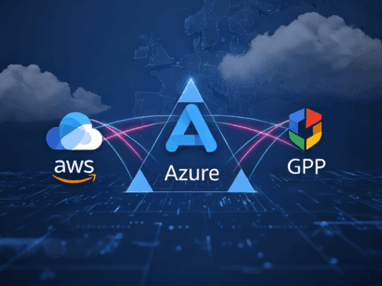
The European cloud market in 2026 is dominated by three platforms: AWS, Azure, and GCP. While many organisations previously relied on a single provider, the shift toward multi-cloud strategies has changed the hiring mandate.
According to recent industry reports, more than 60% of European enterprises have adopted a multi-cloud approach since 2023, driven by the need for flexibility and risk reduction. Companies now seek architects and engineers who can navigate cross-platform integration to avoid vendor lock-in and ensure regulatory compliance with European data laws.
For someone looking to build a career in cloud engineering, deciding where to focus your efforts and learning is key. For some businesses, it is a case of AWS vs Azure vs GCP, while others are happy to take what they need from each cloud platform. Either way, gaining cloud certifications in all three gives you a strong foundation to build your career from.
High-demand Cloud roles European employers are hiring for
- Cloud Security Engineer: Experts in Zero Trust and IAM (Identity & Access Management).
- Platform Engineer: Professionals dedicated to enhancing developer experience and managing internal infrastructure.
- FinOps Specialist: Experts in cost optimisation and cloud financial management.
- Data/Machine Learning Engineer: Specialists in scaling AI and machine learning models with Vertex AI or SageMaker.
- Multi-Cloud Architect: Strategic leaders who design systems spanning AWS, Azure, and GCP.
- DevOps Engineer: The backbone of CI/CD pipelines and container orchestration.
Learn more about relevant Cloud certifications to undertake to broaden your technical skills.
AWS: the market leader’s skills demand
- Core Infrastructure: EC2, S3, and VPC networking.
- Serverless & Containers: AWS Lambda, EKS (Elastic Kubernetes Service), and Fargate.
- AI & Data: AWS SageMaker for machine learning and Redshift for analytics.
- Certification Signal: AWS Certified Solutions Architect (Associate/Professional) and AWS DevOps Engineer remain the gold standards for validating expertise.
Microsoft Azure: the enterprise & hybrid choice
- Infrastructure as Code (IaC): Mastery of Bicep and Terraform.
- DevOps: Expert knowledge of Azure DevOps and AKS (Azure Kubernetes Service).
- Security: In-depth knowledge of Azure Active Directory (Entra ID) and cloud security procedures.
- Certification Signal: Azure Solutions Architect Expert and Azure Administrator Associate are highly regarded by hiring managers.
Google Cloud Platform (GCP): the Data & AI specialist
- Data Analytics: BigQuery is a top-tier required skill.
- AI/MLOps: Google Vertex AI and advanced machine learning operations.
- Containerisation: As the origin of Kubernetes, GCP roles require advanced GKE (Google Kubernetes Engine) skills.
- Certification Signal: Google Professional Cloud Architect and Professional Data Engineer are the highest-intent boosters for GCP-focused roles.
2026 Salary Benchmarks: Cloud roles in Europe
Salaries vary across Europe, with Eastern European countries such as Poland and Serbia currently topping the list.
| Title | Years Experience | Salary Range |
| Cloud Engineer | 3-5 | €85,000 - €105,000 |
| DevOps / Platform Engineer | 5+ | €100,000 - €130,000 |
| Cloud Security Architect | 7+ | €120,000 - €155,000 |
| Data/ML Engineer | 3-5 | €95,000 - €125,000 |
| Multi-Cloud Architect | 10+ | €140,000 - €175,000+ |
Why Multi-Cloud skills are the new hiring default
- Regulatory Compliance: Meeting GDPR and Data Residency requirements by choosing the right region and provider.
- Vendor Lock-in: Creating portable architectures with Docker and Kubernetes.
- Cost Optimisation: Leveraging various pricing models, such as Spot and Reserved instances, across providers.
- Resilience: Ensuring high availability through cross-cloud disaster recovery.
How candidates stand out in 2026
- Build a Cloud Portfolio: Use GitHub to showcase Terraform scripts and Linux configurations.
- Master Soft Skills: Engage stakeholders, explain Shared Responsibility Models to non-technical leaders, and develop a security-first mindset.
- Focus on Business Impact: Demonstrating how a project reduced latency or lowered monthly cloud costs by 15% is more effective than listing tools alone.
Connect with Source Group International to discuss our cloud hiring strategies, or speak to our team to learn more about the market in 2026.